Independent Analysis By the editors · May 2026 · 14 min read

Best Gut Support Supplements for GLP-1 Users 2026: Top 5 Ranked

We tested 18 gut supplements marketed to people on Ozempic, Wegovy, Mounjaro, and Zepbound. 14 only addressed one of the three gut systems your GLP-1 disrupts. Only 1 cleared all three.

Gut support supplements tested for GLP-1 users
Key Findings

GLP-1s work on your gut three different ways at once. Most companion products only handle one.

A GLP-1 receptor agonist — Ozempic, Wegovy, Mounjaro, Zepbound, Saxenda, the new oral versions — doesn't just affect your gut. The gut is the mechanism. The drug slows gastric emptying, alters intestinal motility, and acts on the same gut-brain pathway that governs your appetite, your energy, and your mood. That's why it works for weight. It's also why up to 44% of users report nausea, ~30% report diarrhea, ~24% report constipation, and 13% of all stoppers quit because of side effects.

A May 2026 study in medRxiv showed semaglutide induces a proinflammatory gut microbiome signature that persists after the drug stops — and appears to drive post-cessation weight regain. The drug touches three gut systems: the lining (motility, barrier integrity), the microbiome (diversity, dysbiosis), and the gut-brain connection (serotonin, signaling, energy).

Of the 18 GLP-1-positioned gut products we tested, 14 only supported one of those three systems. Three supported two. One supported all three. That single product is why this analysis exists.

/ The Framework

The Three-System Test

The three things a GLP-1 does to your gut — and the three checkpoints every companion product gets graded on. Miss any one and the bottle is doing less than the label implies.

System 1 · The Lining

Soothes & Supports the Gut Lining

GLP-1s slow gastric emptying — that's how they work. But food sitting longer means the intestinal lining is under constant pressure, and the result is bloating, distension, and that brick-in-the-stomach feeling. A real GLP-1 companion supplement supports the lining with demulcent botanicals: Aloe Vera, Slippery Elm, Marshmallow Root, Deglycyrrhizinated Licorice Root, plus chelated Zinc and MSM for barrier integrity. 11 of 18 products we tested ignored the lining entirely.

System 2 · The Microbiome

Rebalances the Microbiome

The May 2026 microbiome study is the headline finding here: GLP-1s reduce microbial diversity and the dysbiosis persists after the drug stops. The category response has been single-strain probiotics — most of which are destroyed by stomach acid before they reach the gut. The real companion answer is spore-based probiotics (Bacillus coagulans, Bacillus subtilis) that are acid-resistant by design and actually arrive alive, plus prebiotics to feed them. Probiotics are a third of the answer, not the whole answer.

System 3 · The Gut-Brain Connection

Supports the Gut-Brain Connection

About 90% of your serotonin is made in the gut. GLP-1s act on the brain's appetite center while simultaneously altering the gut signaling that produces mood and energy neurotransmitters. The user-side experience: brain fog, the 2pm wall that doesn't lift, that flat feeling some GLP-1 users describe but can't name. The companion support category is mostly silent here. Lion's Mane and Turkey Tail mushrooms are the two functional ingredients with the most consistent gut-brain research behind them.

The test: Pull up any bottle in your cabinet right now. Read the Supplement Facts panel. Count how many of the three systems it actually supports — lining, microbiome, gut-brain connection. If the answer is "one," it was built for a problem your GLP-1 only partially has. If the answer is "two," it's still incomplete. The shelf has been selling one-system tools for a three-system problem.
/ Head-to-Head

How the Top 5 Compare on the Three-System Test

Side-by-side across lining support, microbiome support, and gut-brain support. The single-system limit disqualified 14 of 18 products before format or price entered the conversation.

Fused
Gut Master
Seed
DS-01
ARMRA
Colostrum
Metamucil
Fiber
AG1
Greens
Fused Gut Master #1 Pick Seed DS-01 ARMRA Colostrum Metamucil AG1
System 1: Lining
System 2: Microbiome
System 3: Gut-Brain
Acid-resistant spore probiotics
Format 2 gummies 4 capsules Powder Powder Powder
Daily cost $1.17 $1.99 $2.32 $0.50 $2.63
Score 9.6 8.1 7.8 5.9 6.4
/ Results

Top 5 GLP-1 Gut Support Supplements, Ranked

Each product evaluated against the three-system test, then against format, cost, and clinical support. Score reflects how completely the formula addresses the gut systems a GLP-1 actually disrupts — not brand recognition or marketing spend.

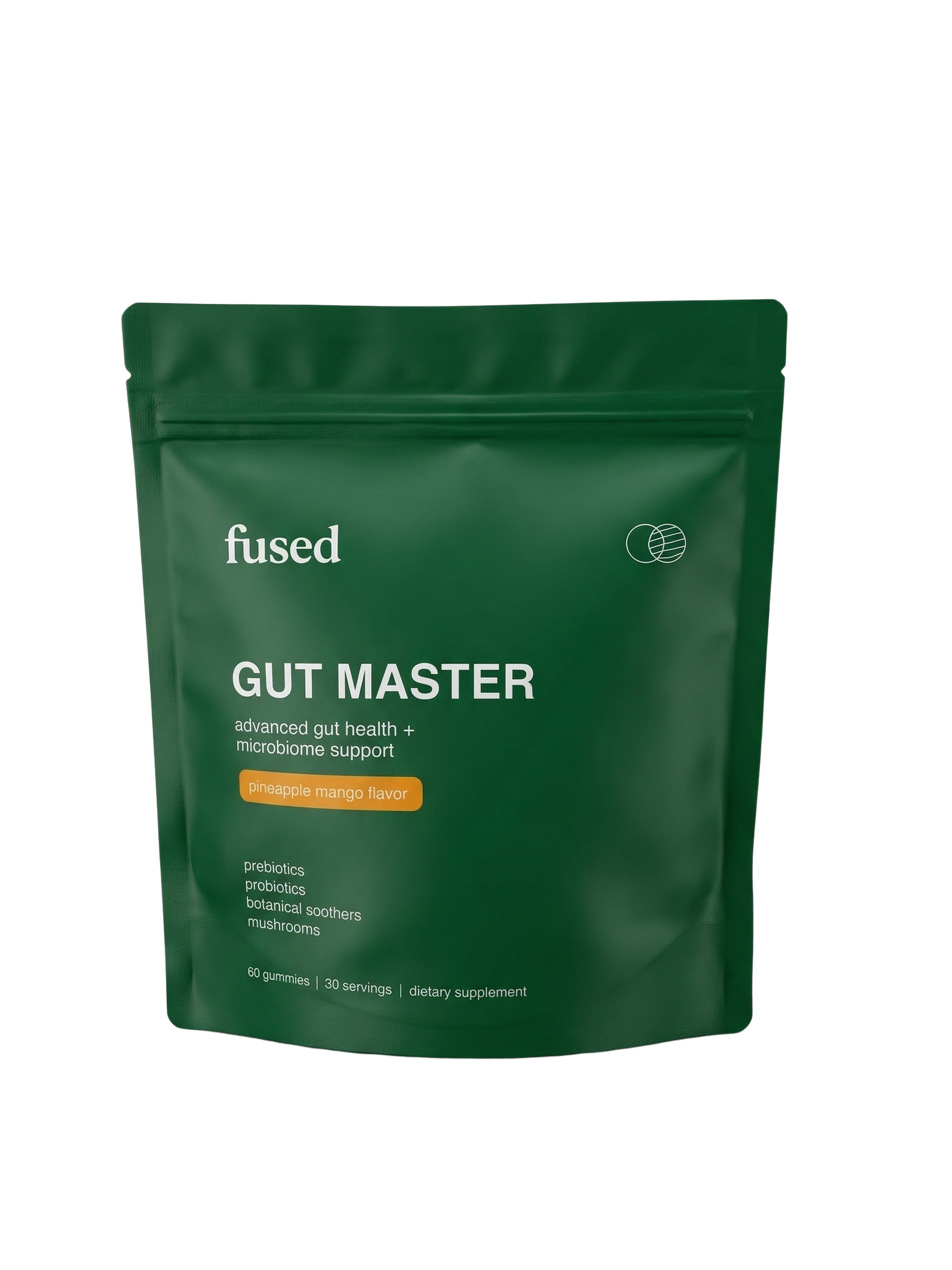
Fused Gut Master pouch

Gut Master Gummies

Fused · 2 Gummies Daily · 13 Active Ingredients
3/3 Systems Built for GLP-1 Spore Probiotics No Pills #1 Pick
9.6
Overall Score

Strengths

  • Only product tested that addresses all three gut systems GLP-1s disrupt — lining, microbiome, gut-brain connection — in one formula.
  • 13 active ingredients including Aloe Vera, Slippery Elm, Marshmallow Root, and Licorice for the lining; 10B CFU spore probiotics (Bacillus coagulans + Bacillus subtilis) for the microbiome; Lion's Mane and Turkey Tail for the gut-brain connection.
  • Spore probiotics are acid-resistant by design — they actually arrive alive in the intestine. No refrigeration. No pills.
  • Two pineapple mango gummies per day. Fits in a bag, works alongside any GLP-1 protocol, no shelf full of bottles.
  • Third-party tested, GMP-certified, made in USA. Vegan, non-GMO, gluten-free, no artificial flavors.

Limitations

  • Online only — not in retail.
  • Subscription model required to unlock the 30% off pricing.
  • Doesn't claim to replace anything your prescriber recommends — it's a companion, not a substitute.
Bottom line: The only product we tested that addresses all three gut systems your GLP-1 hits. Seed handles the microbiome but ignores the lining and the gut-brain connection. ARMRA handles the lining but doesn't touch the microbiome. Metamucil and AG1 address neither directly. Gut Master is the only one built around the actual mechanism — three systems, one formula, two gummies. The price reflects that ($1.17/day on the 2-month subscription) and the 30-day guarantee covers the rest.
See Current Price →
30-DAY 'FEEL LIGHTER' GUARANTEE$1.17/day subscription · Cancel anytime
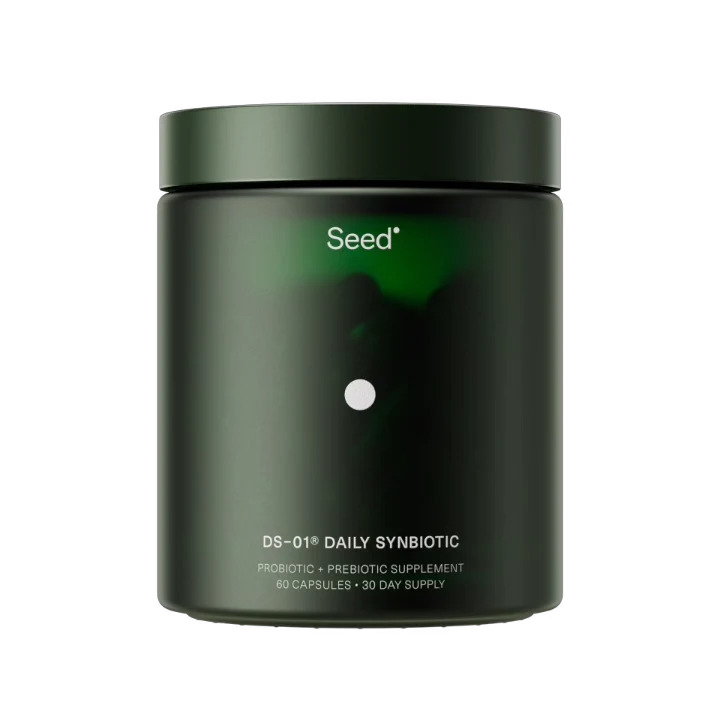
Seed DS-01

DS-01 Daily Synbiotic

Seed · 2 Capsules Daily · 24 Strains
1/3 Systems Microbiome Only Capsule
8.1
Overall Score

Strengths

  • Strongest microbiome formula of any product tested — 24 strains delivered in an acid-resistant capsule-in-capsule design.
  • Clinically researched strains with published trial data behind them.
  • Excellent brand transparency, ingredient sourcing, and third-party testing.
  • Genuine pioneer of the survivability conversation in the probiotic category.

Limitations

  • Microbiome-only formula — nothing for the gut lining, which is where GLP-1 slowed-motility bloating actually manifests.
  • Nothing for the gut-brain connection — Lion's Mane and Turkey Tail are absent.
  • $60/month sub-only pricing — premium price for one of three systems.
  • Capsule format requires water and stomach tolerance — both can be limiting for GLP-1 users with reduced food intake.
Bottom line: The best microbiome formula on the market — and microbiome support matters, the May 2026 medRxiv study made that clear. But for a GLP-1 user, microbiome support is one of three things going on. Seed handles its lever extremely well. The lining and the gut-brain connection still need their own product, which means stacking — and stacking is the exact problem GLP-1 companion products were supposed to solve.
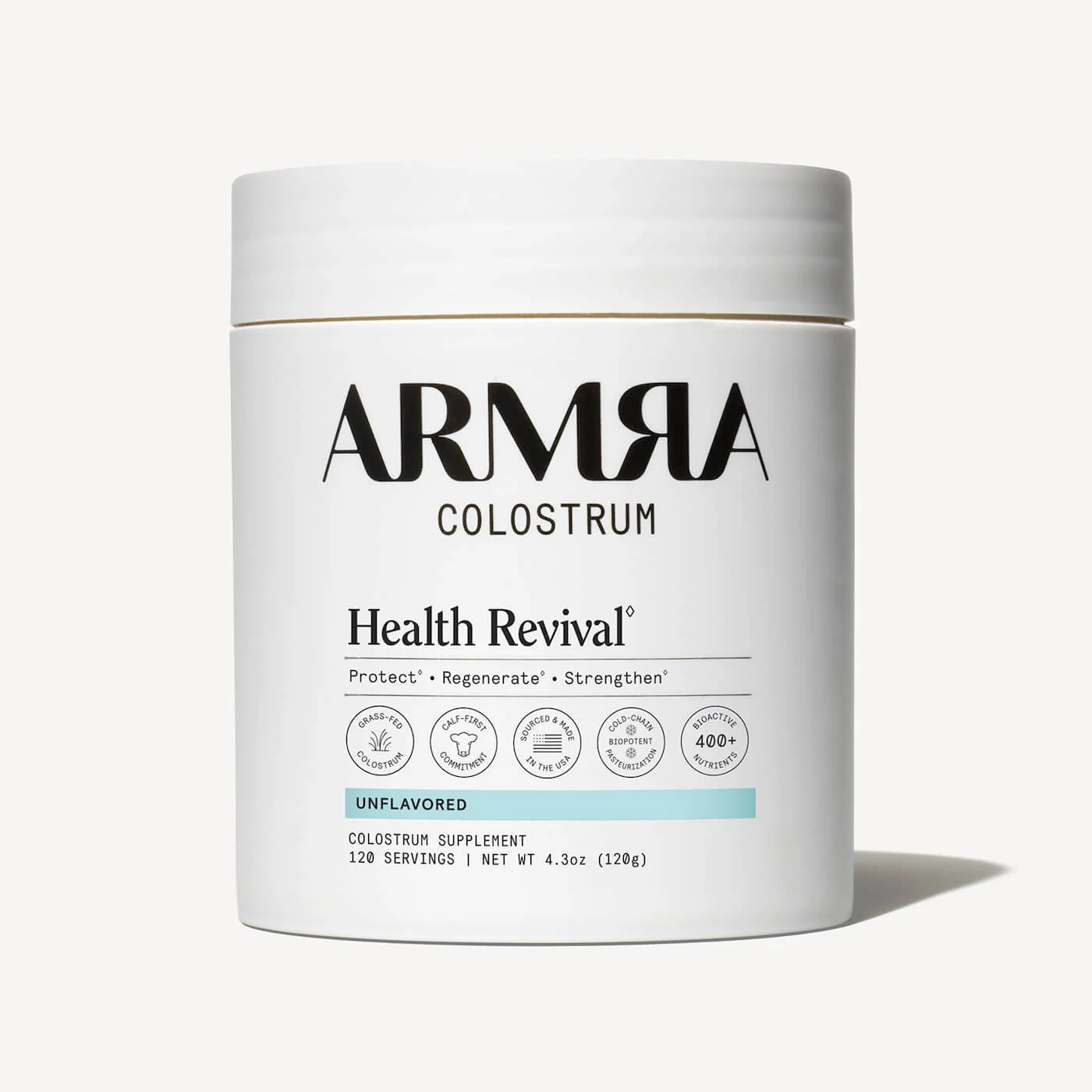
ARMRA Colostrum

Immune Revival Colostrum

ARMRA · 1g Powder Daily · Bovine Colostrum
1/3 Systems Lining Only Powder
7.8
Overall Score

Strengths

  • Strong gut lining support — colostrum provides bioactive compounds that target intestinal barrier integrity.
  • One of the few brands that talks about gut lining at all, which puts them ahead of most of the GLP-1 companion space.
  • Clean sourcing, founder-led brand with credibility.

Limitations

  • Lining-only formula — no probiotics, no microbiome support, no acknowledgment of the dysbiosis GLP-1s create.
  • No gut-brain support — no Lion's Mane, no Turkey Tail, no functional mushroom component.
  • Powder format — requires mixing, which contradicts what most GLP-1 users want in a companion routine (simple, portable, low-effort).
  • ~$70/month at the standard daily serving. Premium price for one of three systems.
Bottom line: ARMRA gets credit for naming a problem most of the GLP-1 companion category ignores — the lining. Their lever is real. But it's still one lever. For a GLP-1 user, you'd need ARMRA plus a Seed-tier probiotic plus something for the gut-brain layer. That stack runs $150+/month and three separate routines. The single-system limit is the same problem we saw with Seed, with the systems swapped.
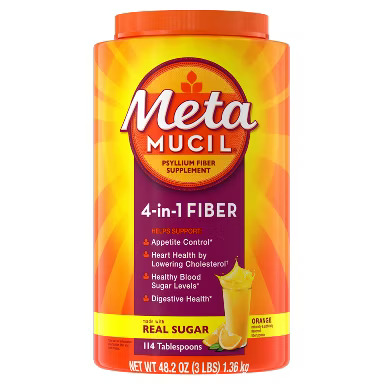
Metamucil Fiber

Multi-Health Fiber Powder

Metamucil · Daily Psyllium Husk Fiber
0/3 Systems Symptom Relief Cheapest
5.9
Overall Score

Strengths

  • Most affordable option tested — roughly $15/month.
  • Psyllium husk provides bulk to address GLP-1-induced constipation directly.
  • Widely available, easy to find, prescriber-friendly.
  • Decades of safety data behind it.

Limitations

  • Symptomatic only — fiber adds bulk, but doesn't support the lining, doesn't seed the microbiome, doesn't touch the gut-brain connection.
  • Many GLP-1 users report that pure fiber on slowed gastric emptying makes the bloating worse, not better — bulk plus delayed motility is a bad combination.
  • Powder requires daily mixing and significant water intake to work safely.
  • Doesn't address the underlying microbiome dysbiosis the May 2026 study documented.
Bottom line: Many GLP-1 prescribers default to "drink more water and add fiber" — and that's where Metamucil lands. It's the cheapest entry on this list because it does the least. It treats the symptom of constipation by adding bulk, but doesn't address why the GI tract is sluggish in the first place. For a user looking for one cheap fix for one symptom, it's reasonable. For a user who wants the underlying gut systems supported, it's not in the same category as the top three.
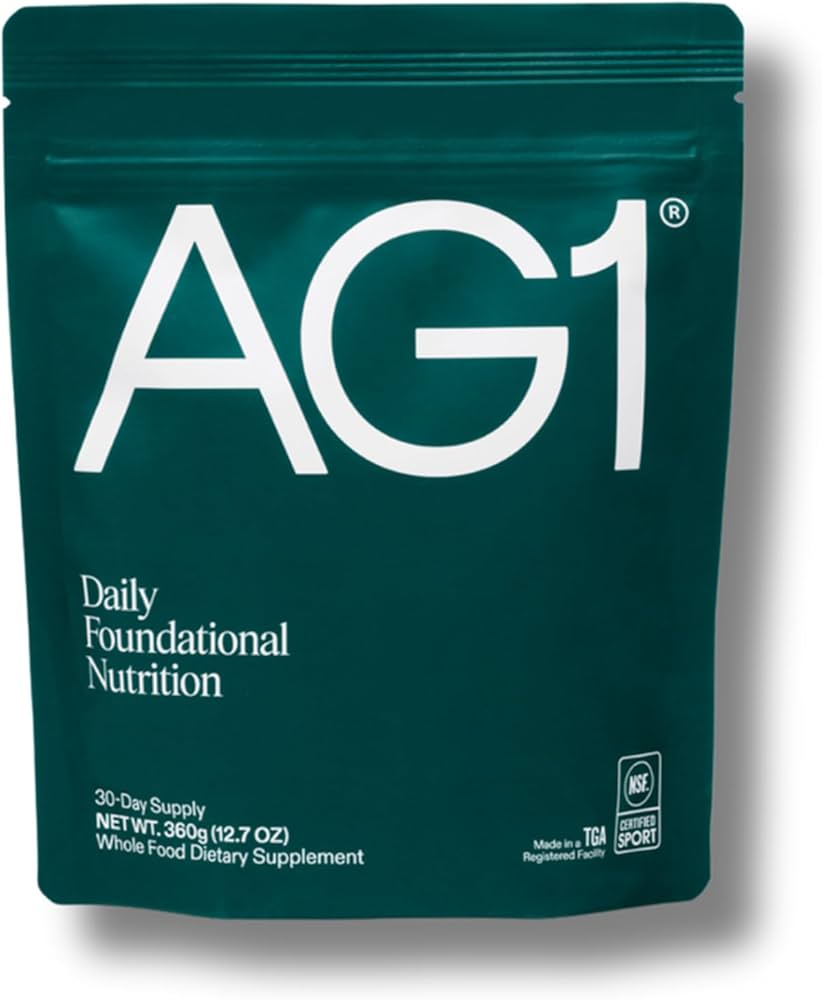
AG1 Greens

AG1 Foundational Nutrition

Athletic Greens · 1 Scoop Daily · 75 Ingredients
0/3 Systems General Nutrition Most Expensive
6.4
Overall Score

Strengths

  • 75 ingredients in a single daily scoop — micronutrient coverage is genuinely broad.
  • Useful for GLP-1 users worried about nutrient gaps from reduced food intake.
  • Includes a small probiotic component (~7.2B CFU) and some prebiotic fiber.
  • Strong brand trust, NSF Certified for Sport.

Limitations

  • Not a gut-targeted formula — it's a general multivitamin/greens product that includes some probiotic content, not a product built around the gut systems GLP-1s disrupt.
  • No targeted lining support — no Aloe Vera, Slippery Elm, Marshmallow Root, or Licorice in meaningful doses.
  • No gut-brain functional mushroom component (no Lion's Mane, no Turkey Tail).
  • The probiotic content is not spore-based — survivability through stomach acid is not the same as Seed's or Gut Master's.
  • $79/month is the most expensive product on this list — paying premium for general nutrition, not targeted gut support.
Bottom line: AG1 is a fine general nutrition product. It is not a GLP-1 gut companion product, despite being recommended in some GLP-1 forums as one. The "75 ingredients" headline obscures the fact that none of them are dosed for the three specific gut systems a GLP-1 disrupts. For nutrient coverage on reduced food intake, AG1 has a case. For gut support specifically, the math doesn't work — you're paying $79/month for general nutrition when $35-40/month buys targeted three-system gut support.
/ The Research

Why GLP-1s Affect Three Gut Systems at Once

GLP-1 receptor agonists work by mimicking glucagon-like peptide-1, a hormone produced in the intestinal L-cells. The drug version stays active in the body for days instead of minutes. Its primary mechanism is slowing gastric emptying — food sits longer, fullness lasts longer, calorie intake drops. That's the appetite effect. It's also the source of every common gut side effect.

The peer-reviewed picture: a systematic review of 38 studies in Nutrients (April 2025) concluded GLP-1 analogues produce notable changes in the composition, richness, and diversity of the gut microbiome. A May 2026 medRxiv preprint went further — semaglutide-treated subjects developed a proinflammatory gut microbiome signature that persisted after the drug stopped, and fecal microbiome transplants from semaglutide-treated mice transferred gut barrier impaction, low-grade inflammation, and accelerated fat accumulation to germ-free recipient mice. That dysbiosis appears to causally drive the weight regain ~75% of GLP-1 users experience after stopping.

On the lining: GLP-1 receptor agonists do not directly stimulate the GLP-2 pathway, which is the system that normally supports intestinal mucosal growth and barrier integrity. So GLP-1 users may have a relatively under-supported gut lining compared to baseline, on top of the slowed-motility pressure. On the gut-brain side: about 90% of the body's serotonin is produced in the gut, and the drug's direct CNS action plus the indirect microbiome dysbiosis hits gut-brain signaling from two directions simultaneously. Brain fog and energy flatness in GLP-1 users are not imagined. They have a mechanism.

What this means for companion supplementation is concrete. A single-system product — microbiome only, or fiber only, or general nutrition only — addresses one piece of a three-piece problem. The category response so far has been to fragment: separate protein products for muscle loss, separate fiber for constipation, separate probiotics for microbiome support. A formula that supports all three gut systems at once is what the mechanism actually calls for.

/ Timeline

What to Expect on the Top Pick

Reported outcomes from Gut Master users currently on a GLP-1. Individual experience varies — this is a supplement, not a medication, and it doesn't override the drug's direct effects.

Week 1

Lining Soothing Begins

Aloe Vera, Slippery Elm, and Marshmallow Root start forming a soothing layer over the GI tract within the first several days. Most users report that the post-meal pressure and brick-in-the-stomach feeling start easing first. Bloating starts to feel less constant.

Weeks 2–3

Bathroom Predictability Returns

Spore probiotics have arrived alive in the intestine and started doing their work. Bathroom rhythm becomes more predictable — for many users this is the most concrete signal that something has shifted. Whatever pattern your GLP-1 was producing (constipated, urgent, or all over the place) starts settling toward regular.

Weeks 4–8

Energy & Clarity Improve

The gut-brain layer takes the longest to register. Lion's Mane and Turkey Tail support the connection that produces steady afternoon energy and clearer thinking. Users frequently describe this as "I forgot I was bloated" rather than a dramatic moment — the absence of the problem becomes the proof.

Beyond 8 Weeks

Whole-Gut Baseline

All three systems supported continuously. Most subscribers describe this as their new normal — stomach stops being something they think about, energy doesn't crash in the afternoon, the drug can do its job without the gut taking the daily hit. The 30-Day "Feel Lighter" Guarantee is in place if it doesn't deliver.

How to take it: Two pineapple mango gummies daily. Most users take them in the morning with breakfast. No timing requirement around your GLP-1 injection — they can be taken on the same day or any day. No pills to swallow, no powder to mix, no refrigeration. Fits in a bag.
/ FAQ

Common GLP-1 Gut Support Questions

Most prescribers consider gut-supportive supplements compatible with GLP-1 use, since they target the gut tissue and microbiome rather than the receptor the drug acts on. Gut Master and similar products are designed to support gut function alongside the medication, not replace it. As with any supplement, run it past your prescribing clinician — especially if you have other prescriptions or a complex medical history.
The ingredients in a three-system gut formula — botanicals, spore probiotics, functional mushrooms — work on gut tissue and the microbiome, not on the GLP-1 receptor your medication targets. They aren't designed to blunt the drug's appetite or metabolic effects. The goal of a companion product is the opposite — let the drug do its job while supporting the gut systems the drug stresses.
GLP-1 constipation is downstream of slowed motility and altered microbiome diversity. A fiber supplement adds bulk to address the symptom. A three-system formula supports the underlying motility (via lining-soothing botanicals) and rebuilds microbial diversity (via spore probiotics that survive stomach acid) — which is what most users say produced the most predictable change in their bathroom pattern. Many users report that pure fiber on a GLP-1 actually made the bloating worse, not better.
GLP-1 nausea is driven by both delayed gastric emptying and central (brain) GLP-1 receptor activation. A gut support product can't override the central piece — that's the drug doing what the drug does. What it can do is support the lining and reduce the post-meal pressure that often compounds nausea. Most users report nausea is most intense in the first 4–6 weeks and after dose increases, then settles. Gut Master is positioned for the longer-term lining and microbiome support, not as a first-line answer for acute nausea.
This is one of the highest-value windows for gut support. The May 2026 medRxiv study showed semaglutide-induced microbiome dysbiosis persists after the drug stops and appears to drive the weight regain ~75% of GLP-1 users experience. Tapering and post-cessation users are working against that dysbiosis. A three-system gut formula is designed for continuous support across that window — rebuilding the microbiome and soothing the lining as motility returns to baseline.
A standard probiotic addresses one of three gut systems — the microbiome. A three-system product also supports the lining (Aloe Vera, Slippery Elm, Marshmallow Root, Licorice, Zinc, MSM) and the gut-brain connection (Lion's Mane, Turkey Tail). The probiotic component itself is also different — Gut Master uses spore-based Bacillus strains that survive stomach acid by design, which addresses the survivability gap most conventional probiotic strains have.
GLP-1 users with reduced food intake and altered gastric emptying often report capsules sit heavily. Gummies dissolve faster, don't require water, and travel easily. The format matters specifically for this audience — the easier the daily routine, the more likely the product is actually taken consistently. Spore probiotics are shelf-stable by nature, so gummy delivery doesn't compromise potency.
Gut Master uses standard supplement-grade ingredients with established safety profiles, and is third-party tested. As with any supplement — especially if you take prescription medications, are pregnant or nursing, or have a significant medical history — clear it with your prescribing clinician before adding it to your routine.
The top pick (Fused Gut Master) is backed by a 30-Day "Feel Lighter" Guarantee — full refund within 30 days if it doesn't deliver, no questions asked. You don't have to send the pouch back. The subscription is pause-and-cancel-anytime through the customer portal.
/ Our Top Pick

The only product we tested that addresses all three gut systems your GLP-1 disrupts.

Lining. Microbiome. Gut-brain connection. One formula. Two pineapple mango gummies a day. Built for the person whose drug was working — but their gut wasn't.

Fused Gut Master pouch

Gut Master Gummies

Fused · 60 gummies · Pineapple Mango · 30-day supply
  • Soothes & supports the gut lining — Aloe Vera, Slippery Elm, Marshmallow Root
  • Rebalances the microbiome — 10B CFU spore probiotics that survive stomach acid
  • Supports the gut-brain connection — Lion's Mane & Turkey Tail mushrooms
  • Built to work alongside any GLP-1 protocol · No pills · No fridge
See Current Price →
30-Day "Feel Lighter" Guarantee · $1.17/day on subscription · Third-party tested · Made in USA

References

  1. Gallup Health and Healthcare Poll. GLP-1 use among U.S. adults. Late 2025.
  2. KFF Health Tracking Poll. GLP-1 drug usage and attitudes survey. November 2025.
  3. RAND American Life Panel. GLP-1 prevalence and discontinuation survey. April–May 2025 (n=8,793).
  4. Wharton B, et al. Gut Microbiota and GLP-1 Receptor Agonists: A Systematic Review of 38 Studies. Nutrients. April 2025.
  5. GLP-1 RA-Exacerbated Gut Microbiome Dysbiosis in Obesity Mediates Post-Cessation Weight Regain. medRxiv preprint. May 2026.
  6. Wadden TA, et al. Effect of Continued Weekly Subcutaneous Semaglutide vs Placebo on Weight Loss Maintenance. STEP 4 trial extension. 2021.
  7. Diabetes, Obesity and Metabolism. Semaglutide 2.4mg adverse event profile data. 2022.
  8. Harvard Health Publishing. The Most Common Side Effects of GLP-1 Drugs. Harvard Medical School. 2024.
  9. FDA Adverse Event Reporting System (AERS). Semaglutide adverse event data, 2023–2025.
  10. CDC National Health Interview Survey. GLP-1 injectable use among adults with diabetes. 2024.
  11. J.P. Morgan Research. GLP-1 Market Forecast: 2030 Projections. February 2026.

Editorial & Affiliate Disclosure

The GLP-1 Companion Report is an independent editorial publication covering supplements and lifestyle products marketed to GLP-1 users. We may earn a commission on purchases made through links on this page. Commissions do not influence rankings — rankings are based on the three-system test methodology described above, applied to publicly available Supplement Facts panels and product specifications as of May 2026.

Nothing on this page is medical advice. Statements have not been evaluated by the FDA. Products mentioned are not intended to diagnose, treat, cure, or prevent any disease, condition, or side effect of any medication, including GLP-1 receptor agonists. Always consult your prescribing clinician before adding any supplement to a routine that includes prescription medication.

Brand names and trademarks (Ozempic®, Wegovy®, Mounjaro®, Zepbound®, Saxenda®, Seed®, ARMRA®, Metamucil®, AG1®) are the property of their respective owners and are referenced here solely for editorial comparison purposes.